Earlier Work · Visual Design
Visual design for an award-winning AI robotics product.
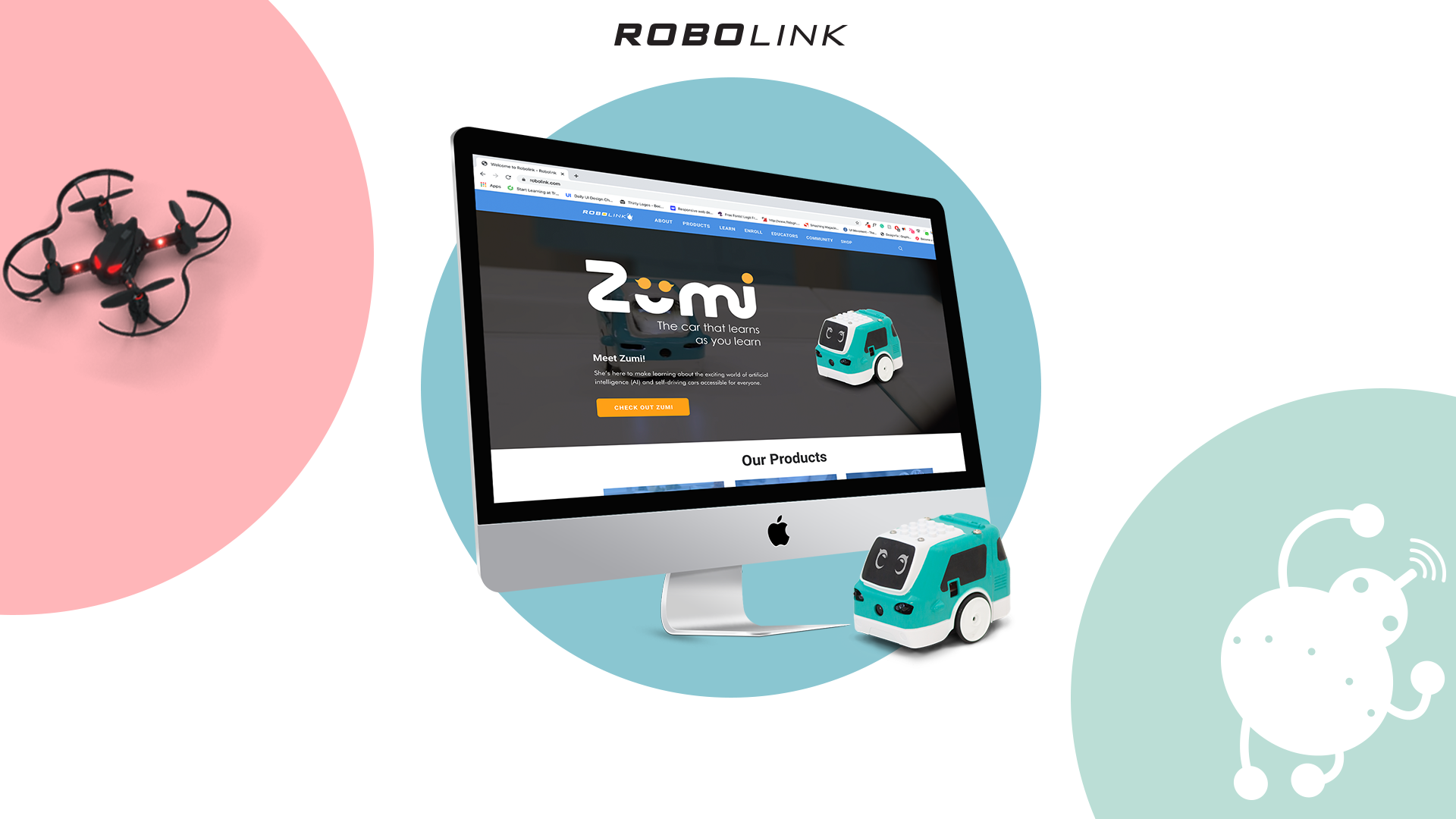
At Robolink I created marketing and engineering visual assets for Zumi — a self-driving educational robot that won CES 2019's Best of Innovation Award. My work supported a launch audience of 20,000+ students, educators, and CES attendees.
What I did
I produced advertising and engineering visual assets, supported quick web design tasks, and designed the assets for Robolink's robotics competition events. The work spanned the gap between marketing-grade output (clean, on-brand, fast-turnaround) and engineering-grade output (technically accurate diagrams used internally to explain how Zumi worked).
Holiday ad campaigns — and learning to read the actual customer
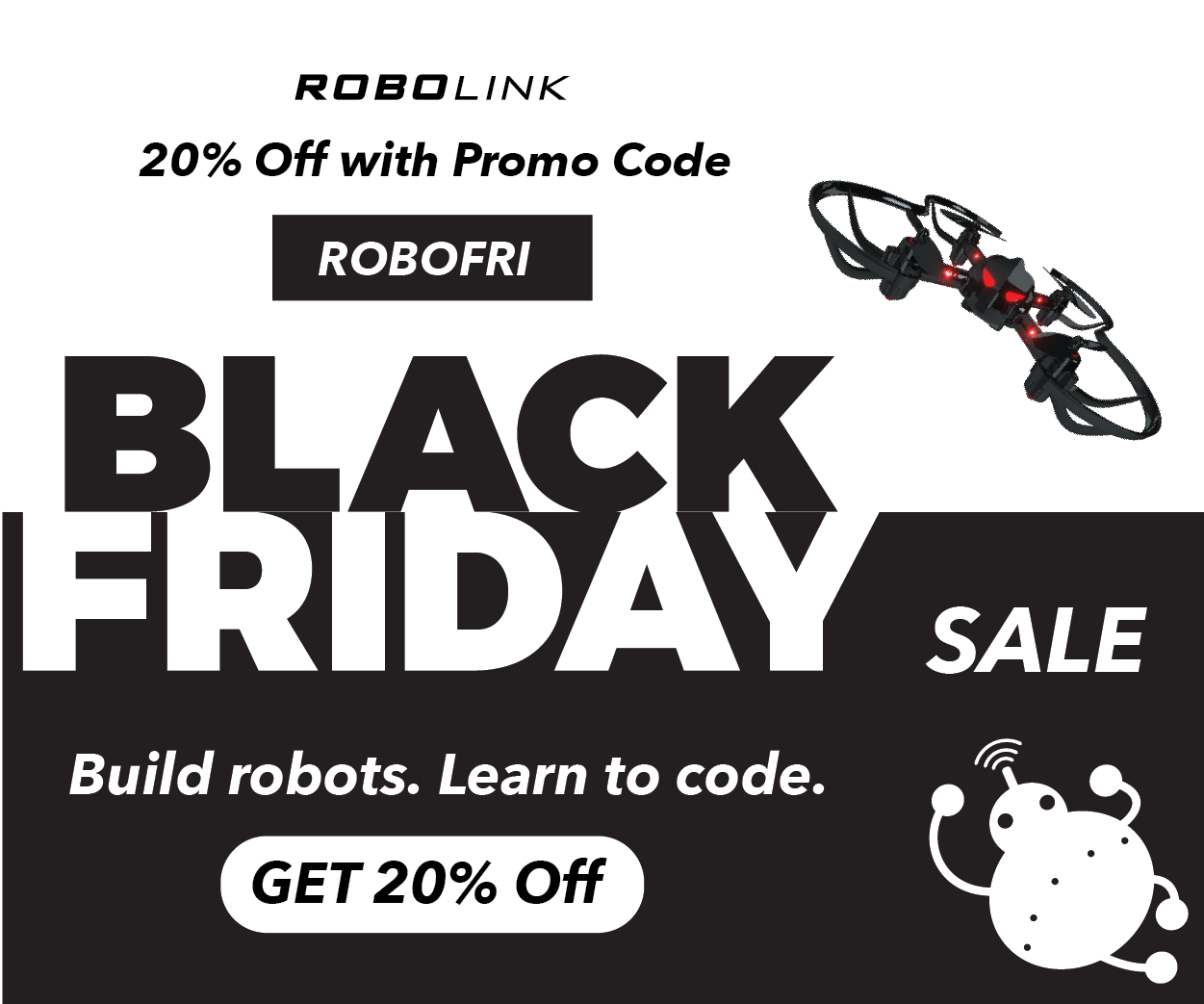
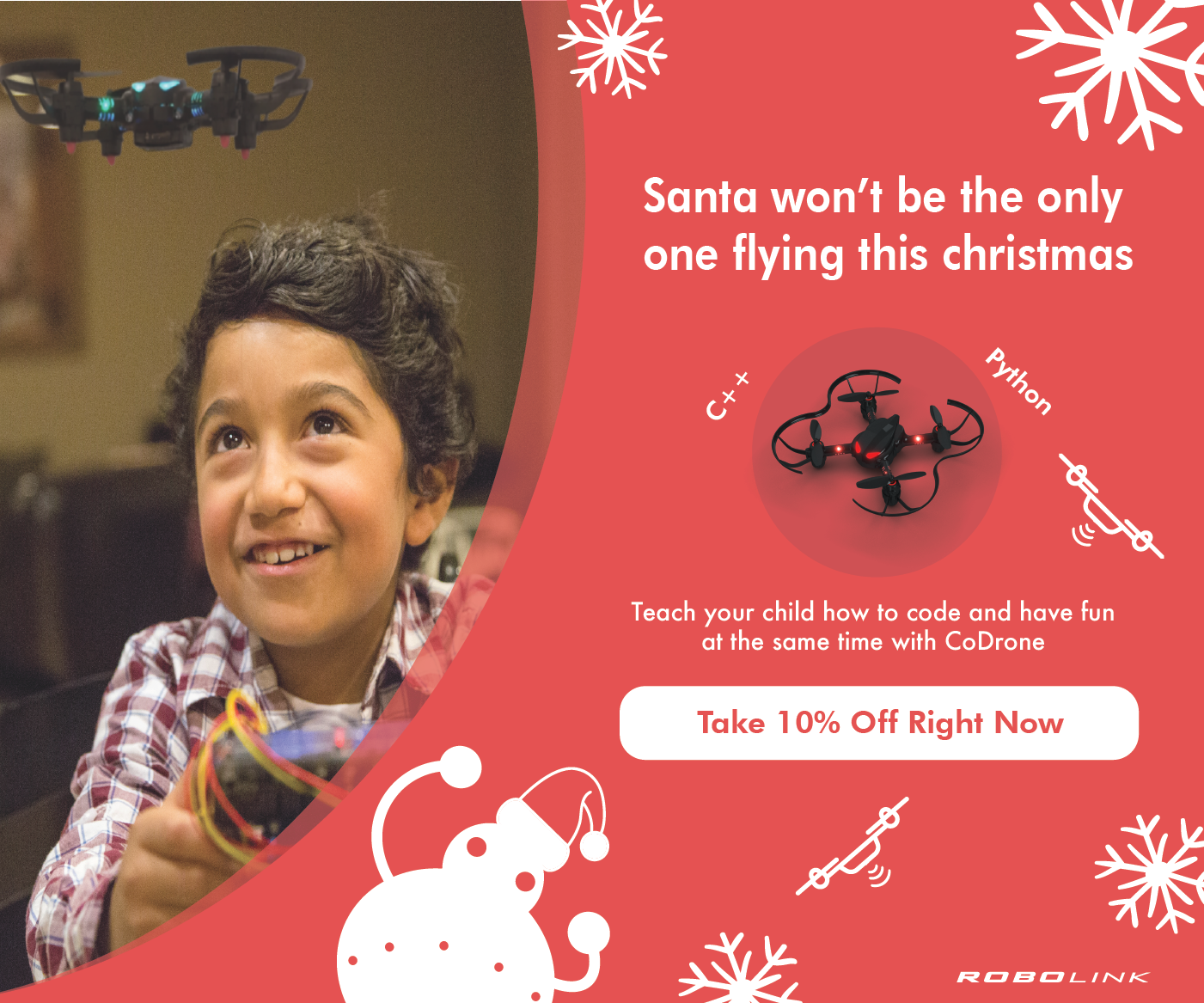
I designed ad campaigns for Halloween, Black Friday, Cyber Monday, and Christmas. Built each at the seven standard web-ad sizes so the marketing team could ship variants without re-cutting, and so we could A/B test which sizes performed best.
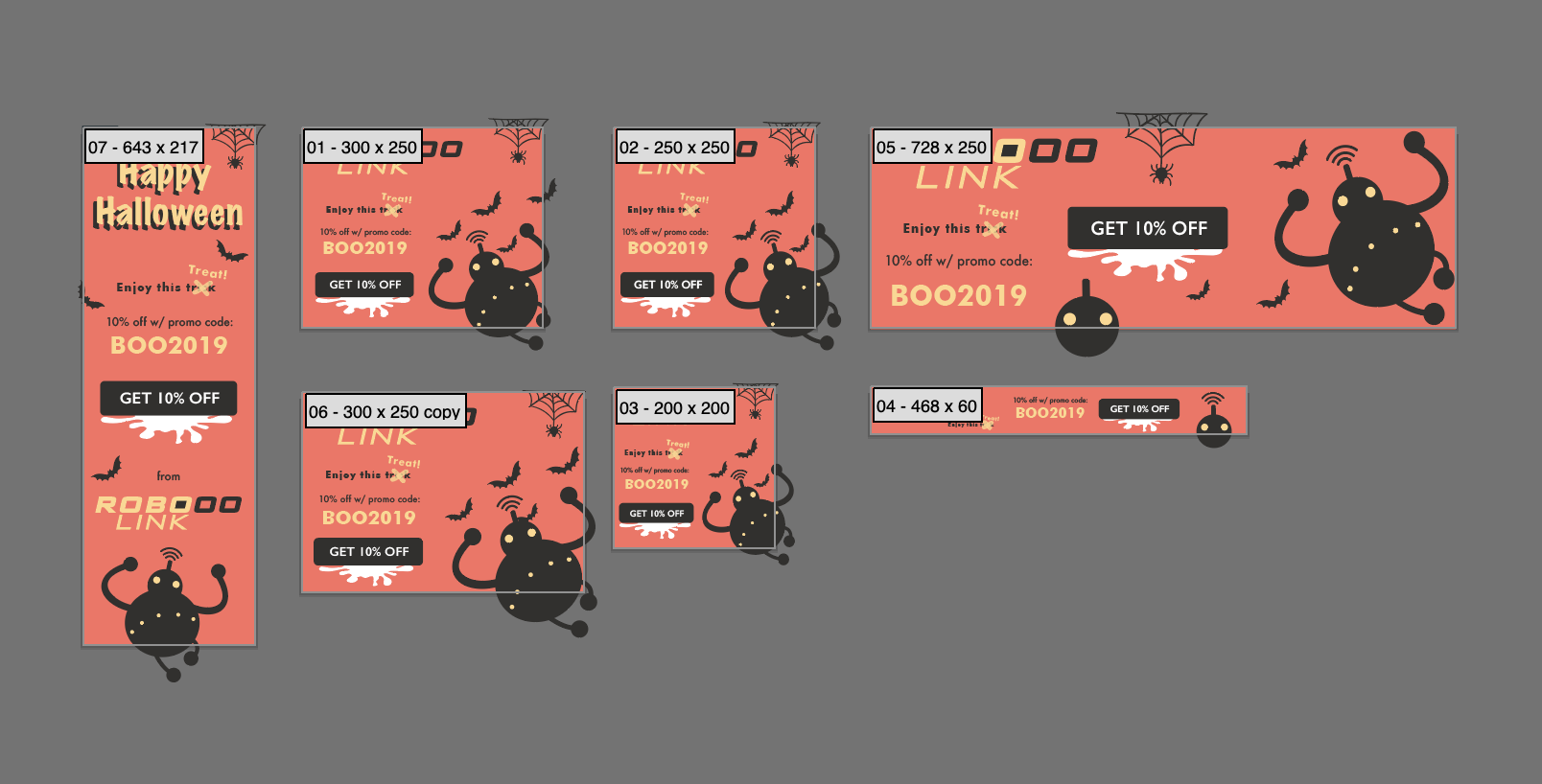
My first Halloween ad underperformed. I'd assumed the customer was a kid fascinated by robots; the actual customer was a parent or educator buying for a kid. That mis-read was the most useful failure of the role — every subsequent campaign started with "who is actually clicking?" instead of "who does this look like?"


Cyber Monday and Black Friday were the turn — same product, redesigned for parents and educators, with lifestyle imagery instead of clean product shots. A/B testing surfaced which framings actually converted.
Sleeves for Zumi competition fields
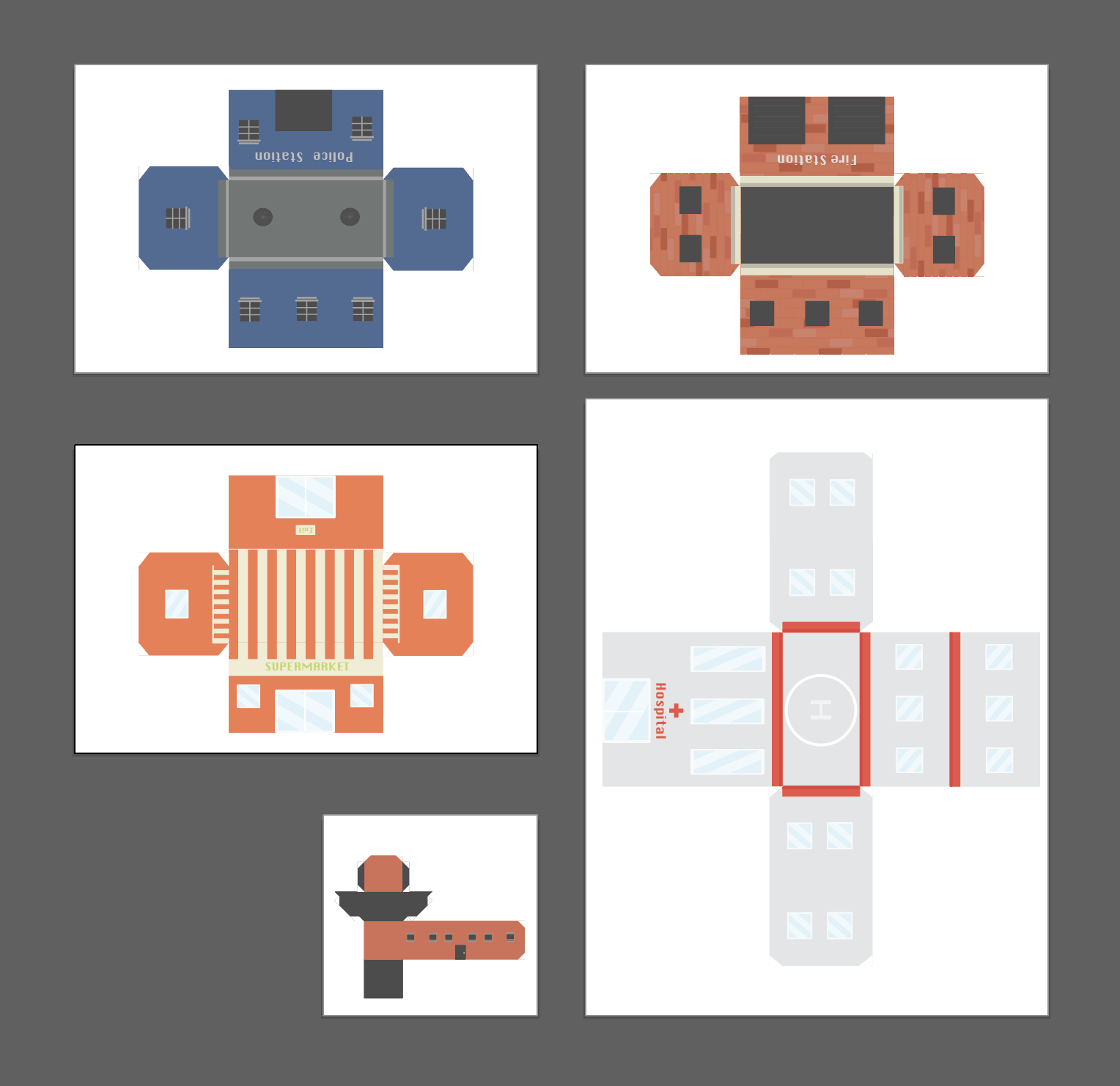
For Zumi product launches we ran competitions where kids navigated their robots through a mock-up field — moving between buildings, recognizing stop signs, finding efficient routes. I designed printable canvas sleeves for the large lego blocks that turned the abstract field into a recognizable city. The catch: design 2D, print 2D, fold into 3D — so the layout had to account for folds and seams.
Course flyers for the learning center
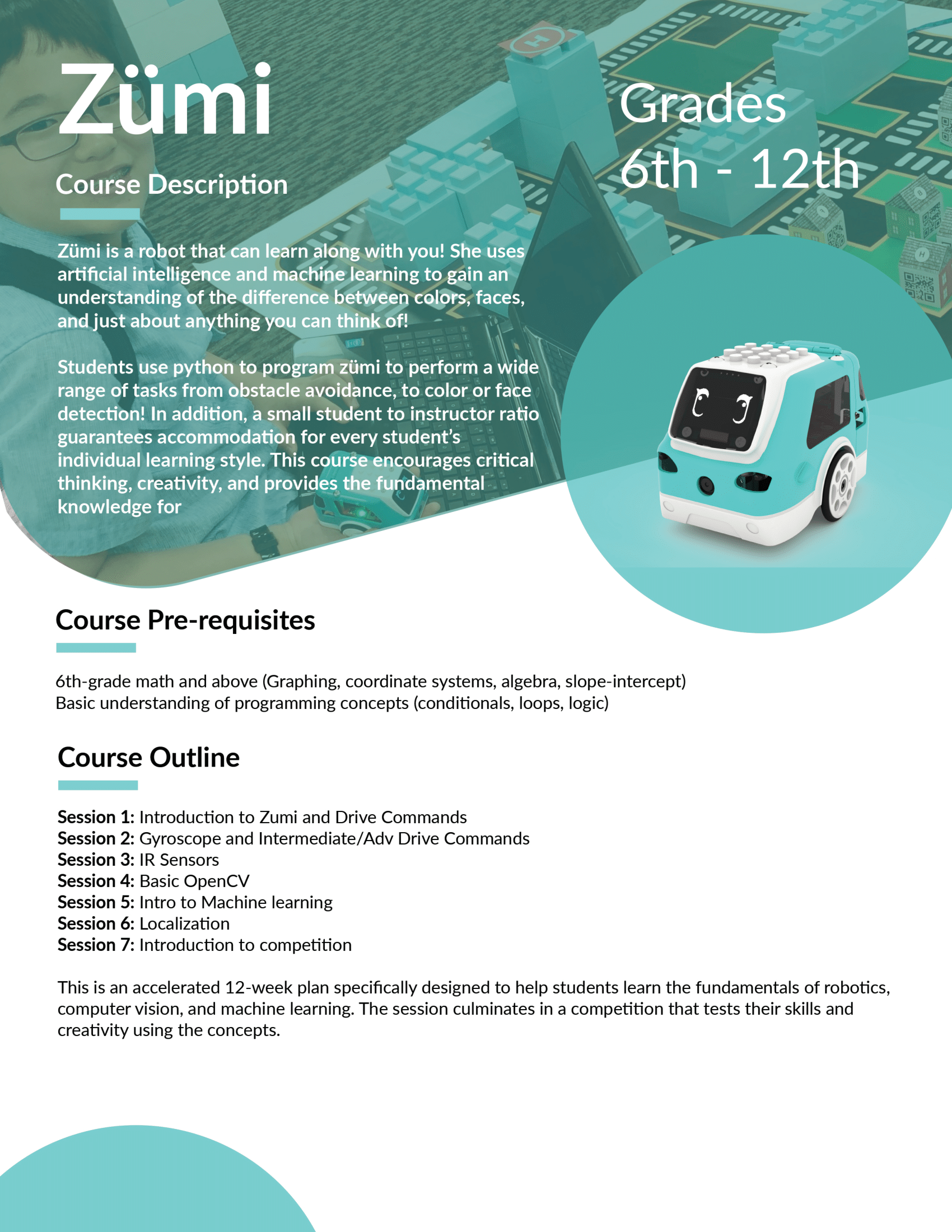
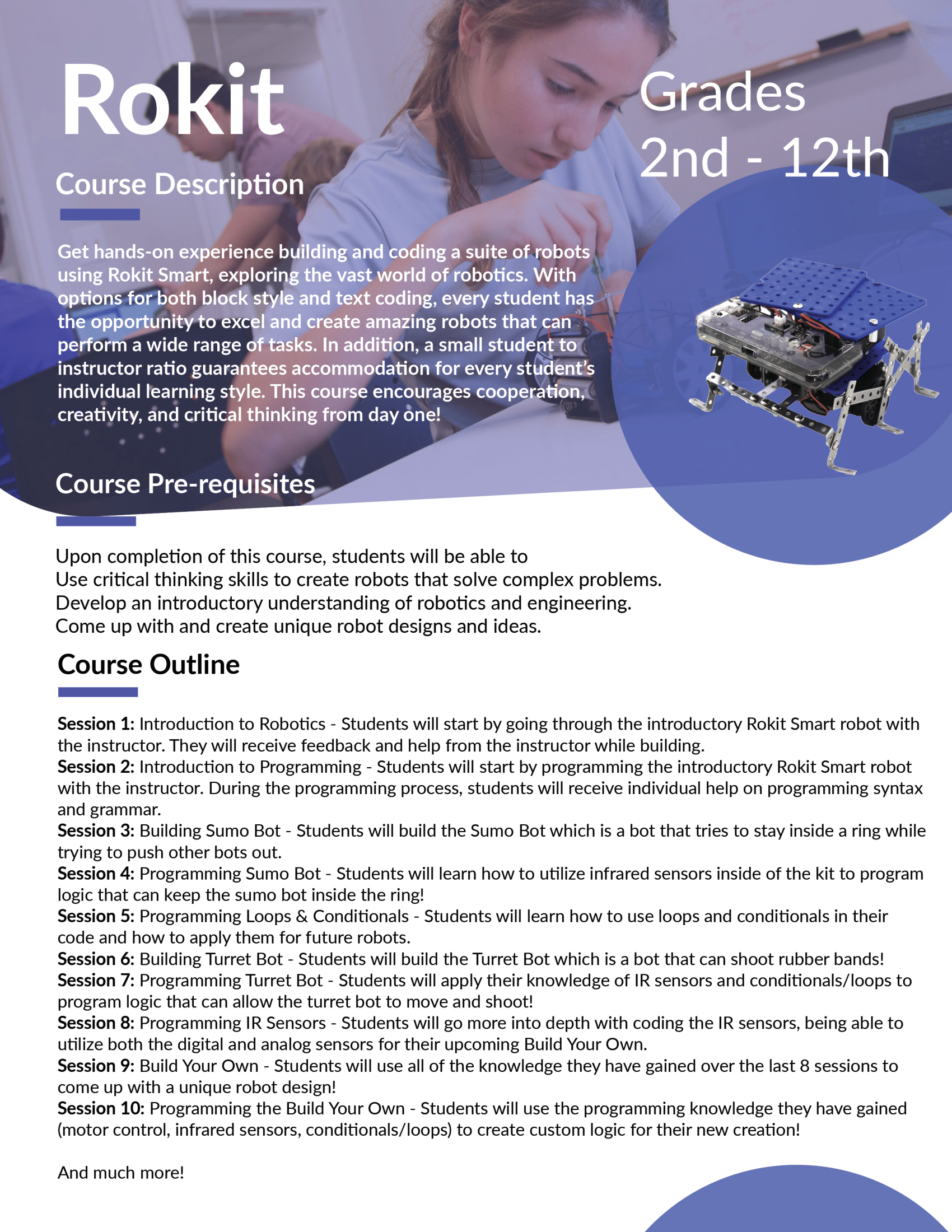
Redesigned the course-info flyers Robolink sent out across the US.
Why I include this
Robolink is the project that established two habits I still use. First, shipping at speed inside someone else's brand — taking direction, producing on a tight timeline, getting feedback, iterating without ego. Second, designing across a fidelity gradient — the same product asset in a marketing render, a technical diagram, and a web component. Those instincts translated directly into the design-system thinking I rely on at Owaves and used at Scripps.